Best Companion Plants For String Beans
Title: Best Companion Plants for String Beans
Introduction:
String beans are a delicious and versatile vegetable that can be enjoyed in many different ways. They are also a relatively easy crop to grow, but there are a few things you can do to improve your harvest. One of the most important things is to choose the right companion plants.
Companion planting is the practice of planting certain types of plants together in order to benefit each other. Some plants can help to improve the growth of others, while others can help to repel pests or diseases.
In this blog post, we will discuss the best companion plants for string beans. We will also discuss what to avoid planting near string beans, and why.
Main Content:
The Benefits of Companion Planting
There are many benefits to companion planting. Some of the most common benefits include:
- Increased crop yields
- Improved plant health
- Reduced pest and disease problems
- Increased biodiversity in the garden
Companion Plants for String Beans
There are many different plants that can be good companion plants for string beans. Some of the best include:
- Basil: Basil is a classic companion plant for beans. It helps to repel pests and attract beneficial insects.
- Cucumbers: Cucumbers and beans are a great combination because they have different water needs. Cucumbers need more water, while beans are more drought-tolerant. This means that you can water the cucumbers more often without overwatering the beans.

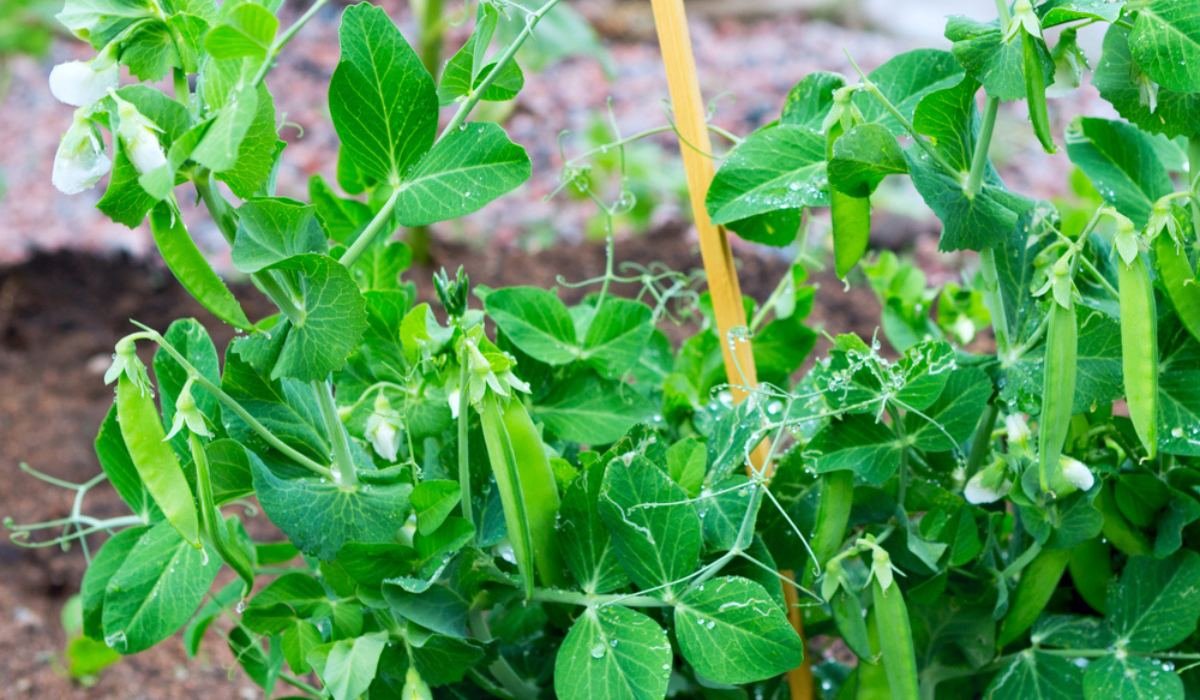
- Peas: Peas and beans are both legumes, which means that they fix nitrogen in the soil. This is beneficial for all of the plants in your garden.
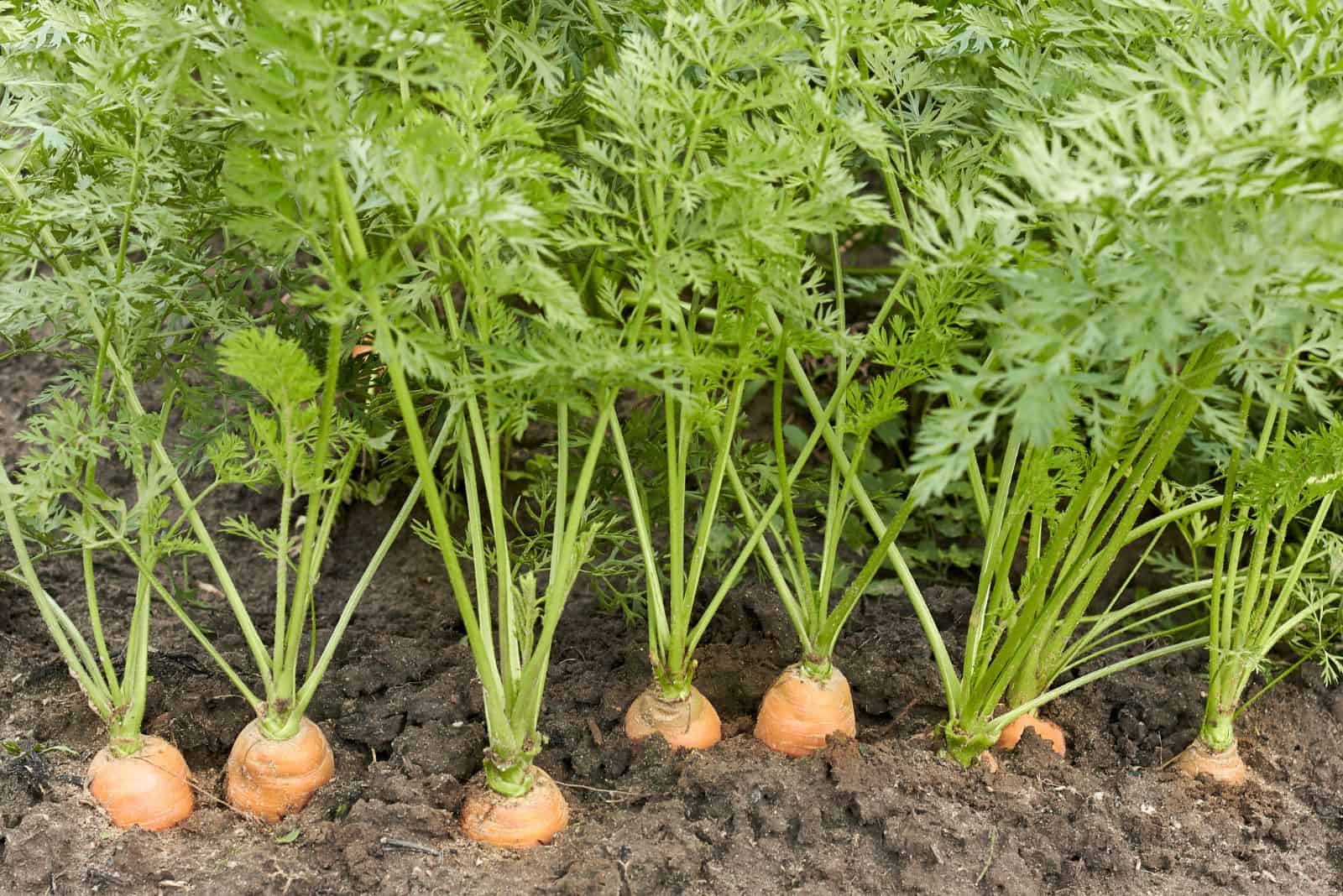
- Carrots: Carrots and beans help to deter each other's pests. Carrots repel root knot nematodes, which can be a problem for beans. Beans repel aphids, which can be a problem for carrots.
- Spinach: Spinach and beans are both cool-season crops, so they can be planted together in the spring or fall. Spinach helps to suppress weeds, which can be a problem for beans.
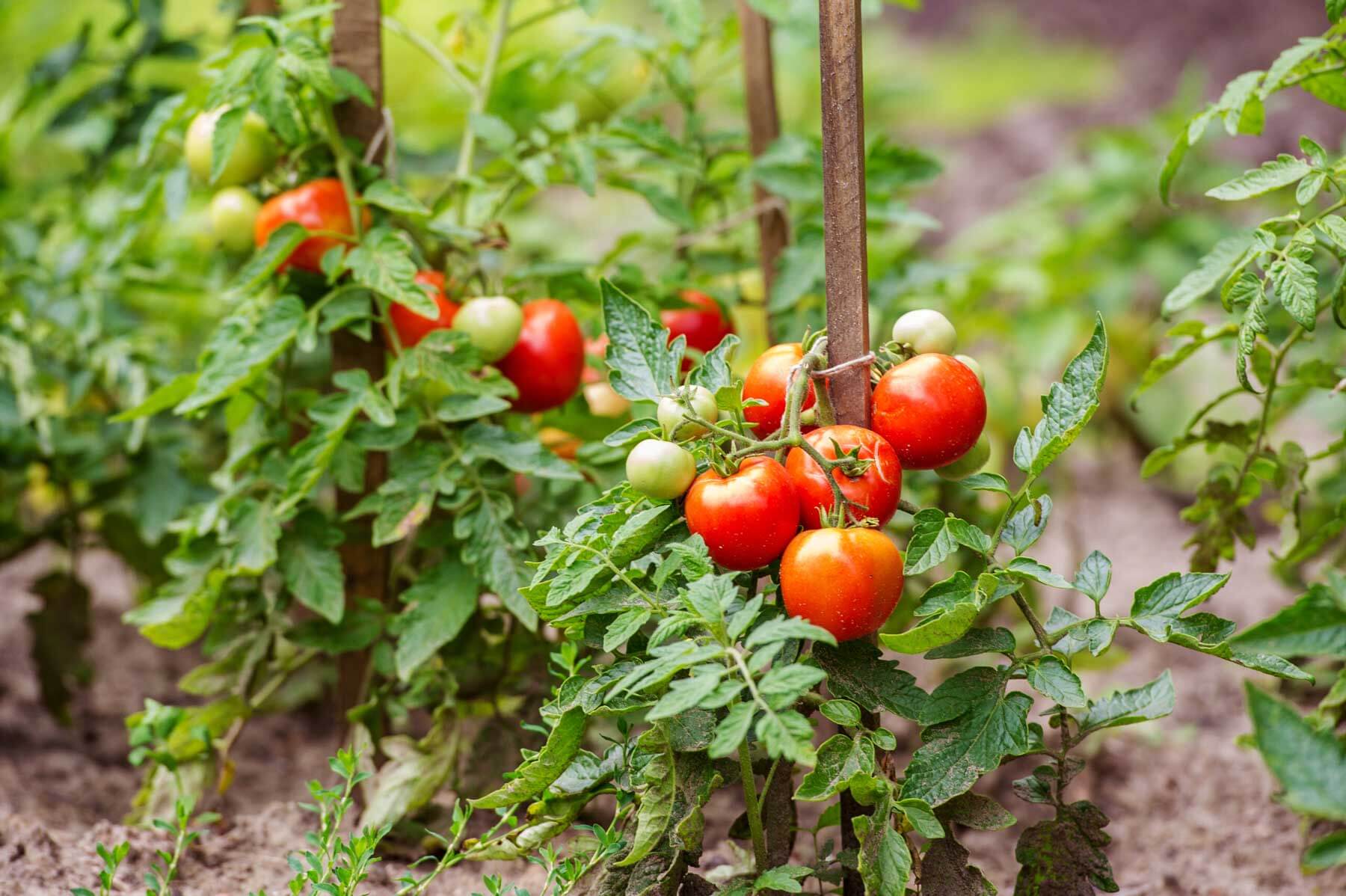
- Tomatoes: Tomatoes and beans can be planted together to help each other grow. Tomatoes provide shade for the beans, which can help to prevent them from wilting in hot weather. Beans fix nitrogen in the soil, which is beneficial for tomatoes.
What Not to Plant Near String Beans
There are a few plants that should not be planted near string beans. These include:
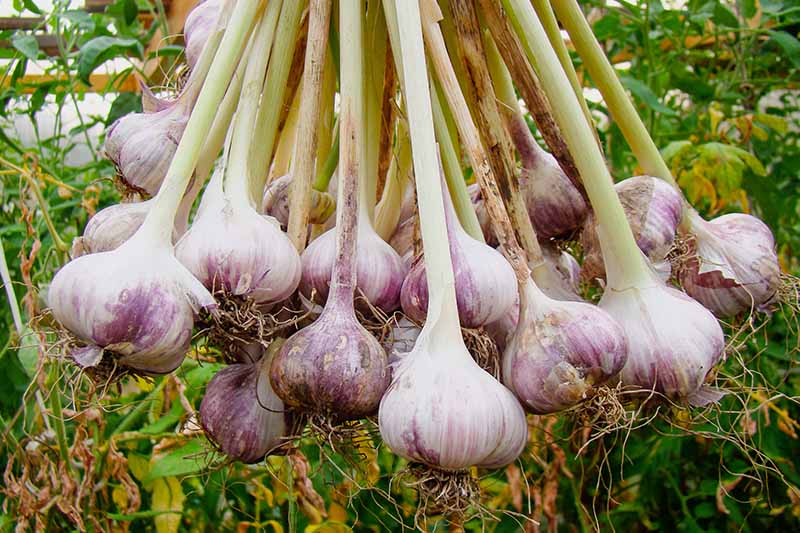
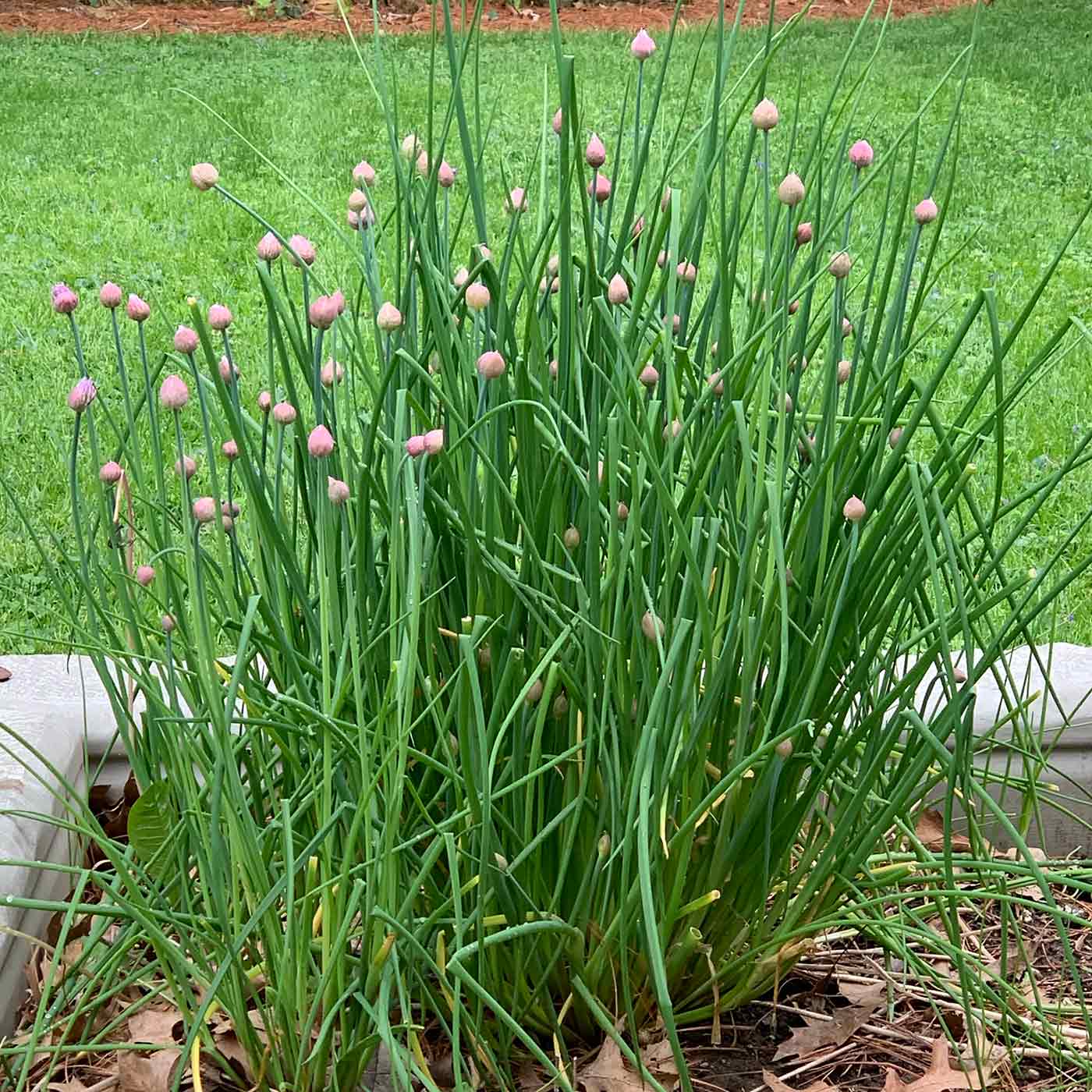
- Alliums: Alliums, such as garlic, onions, and chives, can stunt the growth of beans.

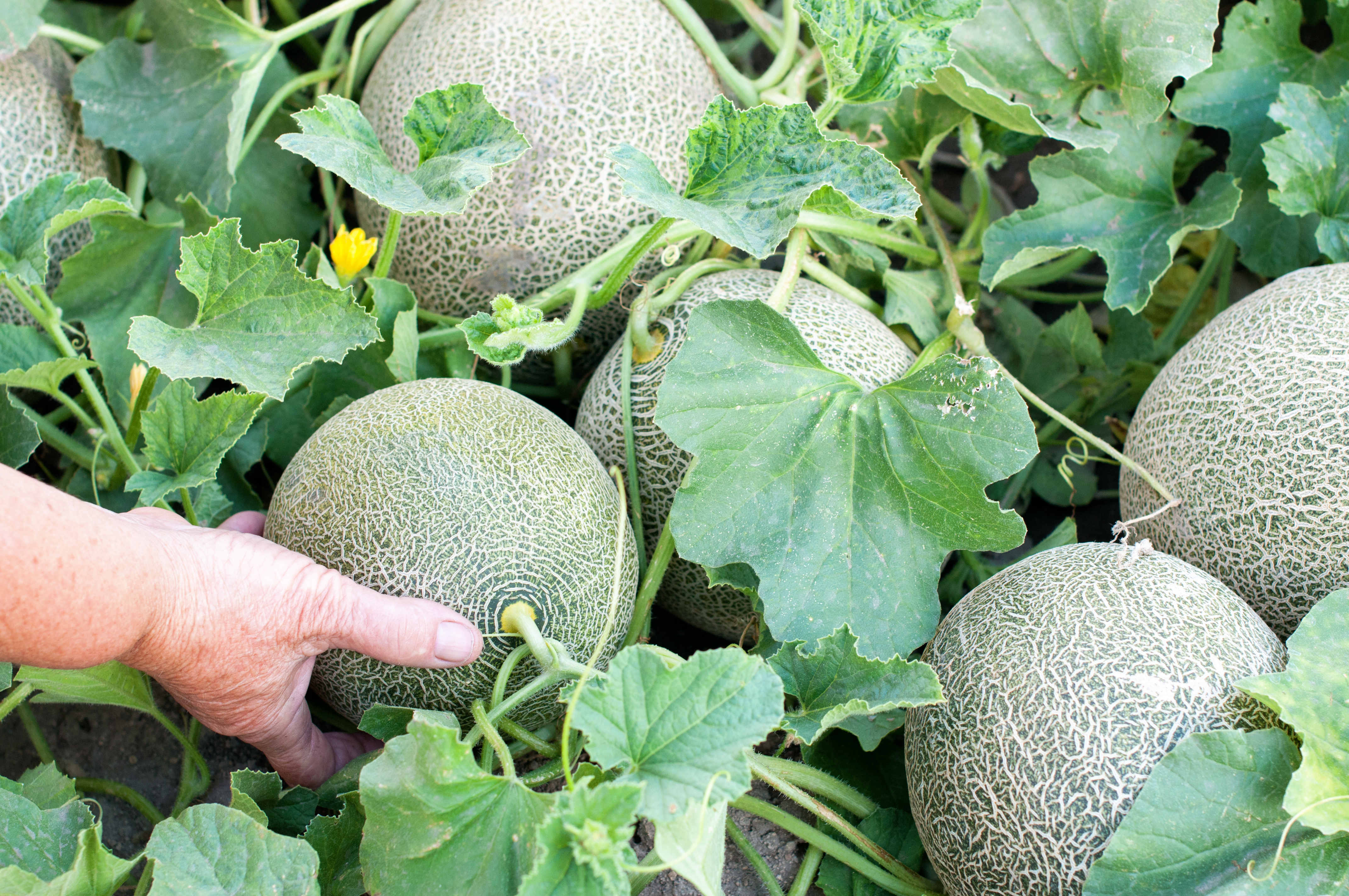
- Melons: Melons and beans compete for the same nutrients, so they should not be planted together.
- Potatoes: Potatoes can attract the same pests as beans, so they should not be planted together.

Conclusion
By planting the right companion plants with your string beans, you can improve your crop yields, increase plant health, and reduce pest and disease problems. So next time you are planning your garden, be sure to consider the benefits of companion planting.
String beans are a delicious and versatile vegetable that can be enjoyed in many different ways. They are also relatively easy to grow, but there are a few things you can do to help them thrive. One of the most important things is to choose the right companion plants.
Some good companion plants for string beans include:
- Basil
- Borage
- Cabbage
- Carrots
- Celery
- Cucumbers
- Dill
- Eggplants
- Marigolds
- Nasturtiums
- Potatoes
- Radishes
- Squash
- Tomatoes
These plants help to deter pests, improve soil health, and provide shade and support for the bean vines.
For more information about string beans companion plants, visit Home Gardening.
FAQ of string beans companion plants
- What are the best companion plants for string beans?
Some of the best companion plants for string beans include:
- Basil: Basil helps to repel pests such as aphids and whiteflies, and it also enhances the flavor of the beans.
- Borage: Borage attracts beneficial insects such as ladybugs and hoverflies, which help to control pests.
- Carrots: Carrots help to improve the flavor of the beans, and they also help to suppress the growth of weeds.
- Corn: Corn provides support for pole beans, and the beans help to fix nitrogen in the soil, which benefits the corn.
- Cucumbers: Cucumbers and beans are mutually beneficial, as they help to shade each other from the sun and attract pollinators.
- Marigolds: Marigolds help to repel pests such as Mexican bean beetles and aphids.
- Nasturtium: Nasturtium helps to deter pests such as aphids and whiteflies, and it also adds beauty to the garden.
- Potatoes: Potatoes help to protect beans from the Colorado potato beetle, and the beans help to suppress the growth of weeds.
Image of string beans companion plants
- Pole beans and corn: This is a classic companion planting combination. The beans attract beneficial insects that prey on corn pests, such as leaf beetles, fall armyworms, and leafhoppers. The bean vines are also supported as they climb up the corn stalks.
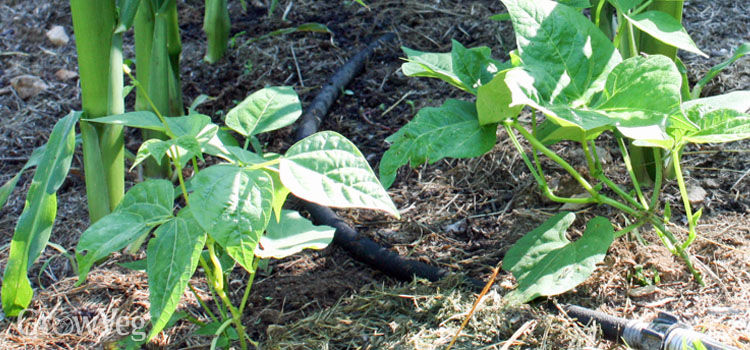
- Beans and tomatoes: Beans and tomatoes are another great companion planting combination. The beans fix nitrogen in the soil, which benefits the tomatoes. The tomatoes provide shade for the beans, which helps to keep them cool.
- Beans and carrots: Beans and carrots are also good companion plants. The beans help to suppress the growth of carrot root fly, while the carrots help to attract beneficial nematodes that help to improve soil health.

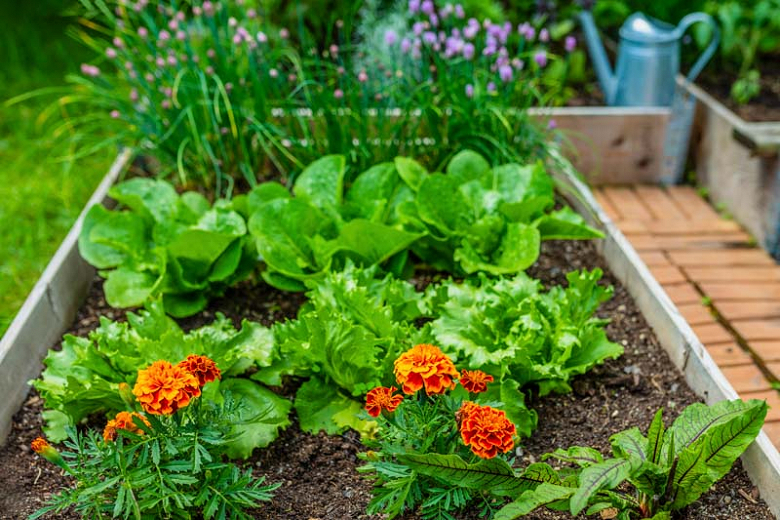
- Beans and lettuce: Beans and lettuce are another popular companion planting combination. The beans help to suppress the growth of slugs and snails, which can be pests of lettuce. The lettuce provides shade for the beans, which helps to keep them cool.
- Beans and peas: Beans and peas are legumes, which means that they fix nitrogen in the soil. This benefits both plants, as it helps to improve soil fertility.
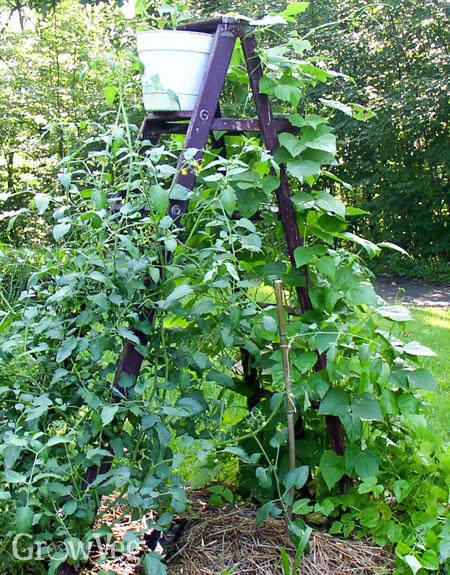
- Beans and spinach: Beans and spinach are also good companion plants. The beans help to suppress the growth of aphids, which can be pests of spinach. The spinach provides shade for the beans, which helps to keep them cool.

- Beans and cabbage: Beans and cabbage are another good companion planting combination. The beans help to suppress the growth of cabbageworms, which can be pests of cabbage. The cabbage provides shade for the beans, which helps to keep them cool.
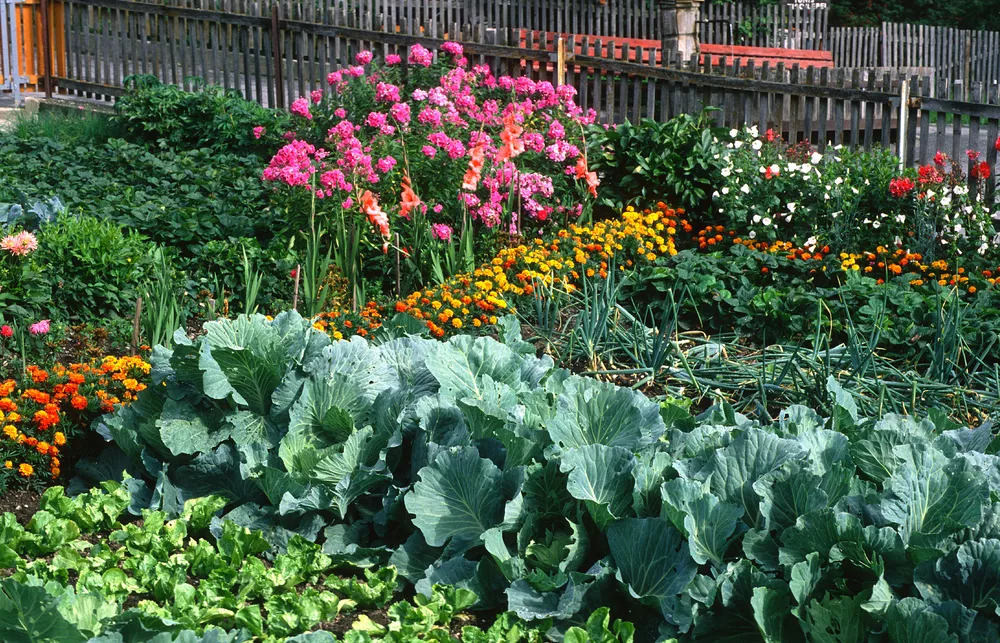
- Beans and strawberries: Beans and strawberries are also good companion plants. The beans help to suppress the growth of slugs and snails, which can be pests of strawberries. The strawberries provide shade for the beans, which helps to keep them cool.

- Beans and herbs: Beans can also be planted with a variety of herbs, such as basil, mint, parsley, and rosemary. These herbs help to deter pests and attract beneficial insects, which can benefit the beans.
Post a Comment for " Best Companion Plants For String Beans"